High-Value Designer Handbags as Portfolio Diversifiers
Author:Arooba
|
Released:October 8, 2025
In the world of investments, people usually think of stocks, real estate, or gold. Yet, in recent years, a new and fascinating category has entered the scene: designer handbags. What once was seen as a symbol of fashion and luxury is now being recognized as a serious investment asset.
Collectors and financial experts alike are realizing that high-value handbags, when chosen wisely, can serve as strong portfolio diversifiers, assets that not only hold value but can appreciate significantly over time.
Understanding the Concept
A diversified investment portfolio is built to reduce risk by spreading investments across various asset classes. Traditionally, these include equities, bonds, real estate, and commodities. But as markets evolve, so do investors’ interests. Alternative assets like art, watches, wine, and handbags are becoming part of modern wealth strategies.
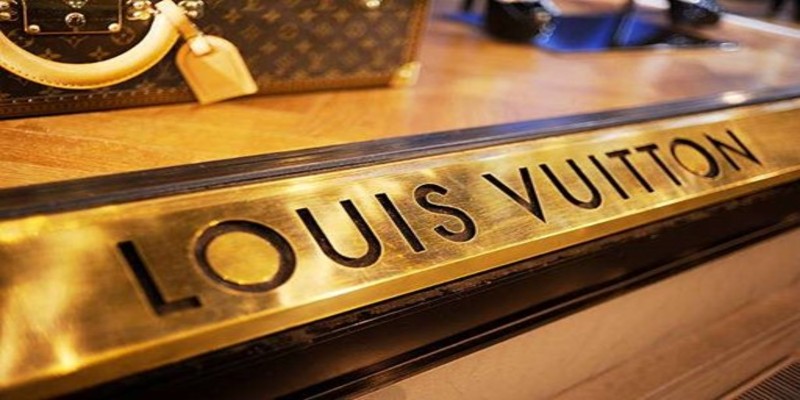
Designer handbags, especially from iconic brands such as Hermès, Chanel, and Louis Vuitton, have shown a remarkable ability to maintain and even increase in value over time. The appeal lies in their exclusivity, craftsmanship, and limited production, all factors that drive long-term demand and scarcity.
Why Handbags Hold Value
To understand why handbags make good investments, it helps to look at the elements that influence their worth.
Brand Legacy
Certain fashion houses have built decades of trust, craftsmanship, and desirability. Brands like Hermès and Chanel have maintained their prestige through careful control of supply and timeless designs that don’t go out of style.
Rarity and Exclusivity
Unlike mass-produced fashion, high-end handbags are often released in limited quantities. The Hermès Birkin or Kelly bag is a prime example; waiting lists can last years. This scarcity naturally pushes resale prices higher.
Quality and Craftsmanship
A well-made designer bag is crafted to last for generations. The attention to detail, materials, and hand-stitching ensure that these pieces remain in excellent condition, even decades later.
Cultural Status
Owning a rare designer handbag carries social prestige. For collectors and investors alike, this blend of emotional and financial value strengthens the bag’s market position.
Performance as an Investment
Surprisingly, the financial performance of some designer handbags rivals or even surpasses traditional investments. For instance, studies and auction data have shown that Hermès Birkin bags have appreciated by an average of 10–14% annually over the past few decades, outperforming the S&P 500 in certain periods.
This makes them not just luxury items, but tangible assets with a measurable return on investment. The resale market, supported by platforms such as The RealReal, Vestiaire Collective, and Christie’s auctions, has created a transparent ecosystem for buyers and sellers to track and trade these items, much like other commodities.
How Handbags Diversify a Portfolio
Adding high-value handbags to a portfolio introduces non-correlation, meaning their value doesn’t move in sync with the stock market. When equities fall, handbag values often remain stable or even rise, particularly for rare models.
Here’s how they strengthen diversification:
Inflation Hedge: Tangible luxury goods tend to retain purchasing power as the value of money decreases.
Global Demand: The appeal of designer bags transcends borders, creating a global resale market.
Stable Returns: Unlike high-volatility assets, luxury handbags appreciate gradually and steadily.
Emotional Return: Beyond the money, owning these handbags brings a sense of joy and personal satisfaction, something you don't usually get from regular investments.
Choosing the Right Bags
Not every designer handbag qualifies as a good investment. Just like with stocks, research and strategy matter. Here are some guidelines for selecting pieces with real potential:
- Go for Classic Styles
Timeless designs like the Birkin, Kelly, or Chanel Classic Flap are always in demand. Their shapes, colors, and details rarely change, making them safe long-term choices. - Limited Editions or Rare Materials
Bags made in small quantities or from exotic leathers such as crocodile or ostrich often appreciate faster due to their rarity. - Condition Matters
A handbag in pristine condition with original packaging, receipts, and authentication cards can fetch significantly higher resale value. - Color and Size
Neutral colors like black, tan, and beige tend to be more versatile and desirable. However, certain unique hues become collectible when discontinued.
- Authentication is Key
Always buy from verified sources or have the bag professionally authenticated. The luxury resale market values trust above all else.
Risks and Considerations
Like any other investment, handbags also have some risks. Market trends can change, people’s tastes can shift, and fake products can affect their value. It’s also good to remember that handbags are not as easy to sell as stocks. Finding the right buyer and getting a good price can take some time.
Storage and maintenance are equally crucial. Bags should be kept in climate-controlled environments, away from direct sunlight and moisture. A small scratch or tear can reduce value significantly. Regular care ensures they remain in collectible condition.
Building a Handbag Investment Strategy
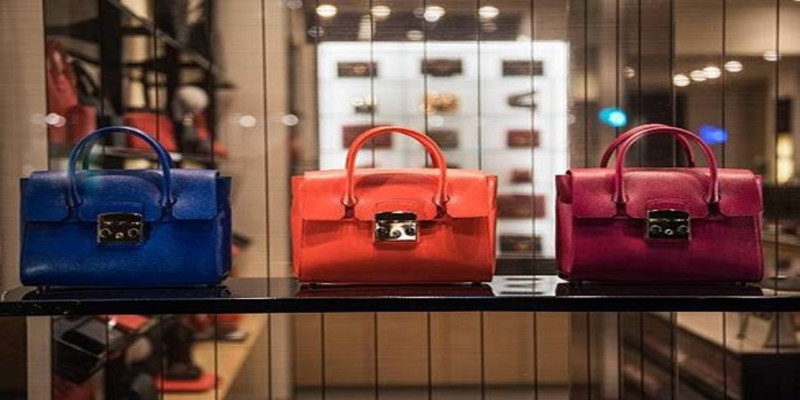
For beginners, it’s best to start small, perhaps with one or two iconic models from established brands. Track resale prices online to understand which pieces appreciate most. Diversify by brand, model, and color, just as you would in any investment portfolio.
Consider handbags as a medium- to long-term asset, not something to flip quickly. The longer you hold a rare, well-maintained piece, the higher its potential appreciation. Document each purchase, keep certificates of authenticity, and stay informed about fashion market trends.
Why Designer Bags Deserve a Place in Your Portfolio
High-value designer handbags are no longer just accessories. They're modern collectibles and viable investment assets. When approached with knowledge and care, they can add both beauty and financial strength to your portfolio.
As fashion and finance continue to intersect, the line between luxury and investment grows thinner. A carefully chosen handbag can be more than a statement of style; it can be a timeless, profitable, and emotionally rewarding part of your financial journey.
You May Like
Fashion Trends
8 Fall Nail Colors For A Cozy And Stylish Autumn Look
Fashion Trends
Elle Fanning's Dark-Wash Cuffed Jeans Are Peak 2026 Cool-Girl Style
Jewelry
How to Wear Necklaces Without Them Getting Twisted or Tangled
Jewelry
Stop Buying "Disposable" Jewelry: How to Spot a Necklace That Lasts
Outfit Ideas
From Work To Weekend: Best Knee High Boots That Do It All